How to Craft a Contemporary Fairy Tale

Fairy tales provide timeless life lessons hidden in fantasy. Putting a modern spin on this classic genre while preserving its magic takes thoughtful planning. Follow these tips to write an enchanting contemporary fairy tale:

Choose a traditional tale to reinterpret – Select a classic fairy tale that resonates with you and brainstorm ways to translate it to a modern setting. How can you reimagine elements like the villain, quest, and morals?

Create relatable protagonists – Rather than princes and princesses, create everyday modern heroes and heroines readers can identify with. Give them realistic personalities, struggles, and flaws amidst the wonder.

Build a magical modern setting – Blend fantastical elements into real urban landscapes like enchanted city parks, supernatural nightclubs or bewitched high schools. Tap into local myths and legends.

Reframe the quest – Give the protagonist relevant modern-day obstacles to overcome like defeating standardized test scores rigged by an evil corporation or rescuing a date gone awry thanks to a mischievous matchmaking app.

Root morals in current issues – Let your fairy tale speak to a contemporary social issue like combatting school bullying, protecting the environment, or overcoming addiction through courage and compassion.

Weave in subtle magic – Sprinkle in small moments of wonder like Chance Meetings with helpful strangers, lucky coincidences, and clever magic disguises rather than over-the-top enchantments.

Build to an epic climax – Allow your hero to finally harness their inner courage, strength, and wisdom to defeat villains in a gripping third act challenge.

End with hope – While staying true to reality, close your tale by restoring justice and leaving readers uplifted.

With imaginative worldbuilding, brave but flawed characters, and meaningful modern-day themes, you can craft a fairy tale fit for the 21st century.

Be a part of my Patreon: https://www.patreon.com/gswright

Crafting Characters Through Detailed Profiles

Before beginning your novel draft, dedicate time to profiling each main character in-depth. Comprehensive preparatory work allows fictional people to become fully realized in your mind prior to writing, leading to more compelling character work on the page.

Start by delving into their background. Consider elements like their family history, upbringing environment, education, social status, major life events, and what shaped them. Pinpoint key memories that still affect them.

Define their motivation and main desires. Are they driven by love, success, knowledge, justice? Give them pressing external goals like a quest or mystery to solve. Outline internal goals too, like overcoming anger issues or grief.

Determine personality quirks and habits that make them unique. Do they tap their fingers when nervous? Doodle when thinking? Use particular phrases or gestures? Identifying idiosyncrasies makes characters pop.

Consider flaws and emotional wounds that make them vulnerable. Impatience, anger issues, chronic lateness, addiction – flaws should tie meaningfully to emotions and backstory.

Brainstorm how side characters influence them. Do they have supportive best friends or jealous rivals? How have family members or mentors impacted them? Relationships reveal different dimensions.

By exploring such facets before starting your draft, characters take on meaningful substance and complexity. Their motives, desires, behaviors, and bonds all stem organically from their fully conceived profiles. Vivid people, not just placeholders, will walk through your story world. The time invested yields dividends through authentic, compelling characters that feel real to you, and therefore to readers.

Be a part of my Patreon: https://www.patreon.com/gswright

Planning Your Novel

Before diving into writing a draft, investing significant time into planning and structuring your novel is time well spent. Comprehensive pre-writing preparation provides a solid foundation that can prevent plot holes, inconsistent characters, and sagging middles down the line.

Start by creating in-depth profiles for each main character. Details like their background, motivations, personality quirks, flaws, and emotional wounds allow characters to come to life in your mind before hitting the page. Brainstorm key relationships between characters as well.

Next, flesh out the parameters of your settings. Are they real or fictional places? What sights, smells, and sounds exist there? Define any rules, histories, cultures, and layouts central to each location.

With characters and settings established, map out the complete narrative arc chapter-by-chapter. Outline the major plot points, conflicts, and resolutions that drive your story forward. This provides a guiding structure.

Finally, summarize what happens in each chapter. These 1-2 paragraph breakdowns capture the essence without getting bogged down in details.

Following this planning process, you can proceed to write your first draft with confidence, knowing key elements have already been developed and sequenced. Your pre-writing preparations pay dividends in the resulting depth, consistency, and cohesion of your story. It’s time well invested.

The writing process depends on inspiration, but inspiration depends on preparation. Approaching a draft with a detailed roadmap in hand helps you travel farther and faster. The work you put in before writing your first sentence will strengthen every sentence that follows.

How to Write a Novel in a Week

Want to challenge yourself to write an entire novel within just one week? It will take intense focus and dedication, but following these tips can help you draft a complete manuscript at a rapid pace:

Plan Extensively First

Spend a few days thoroughly plotting and outlining your entire novel so you have a detailed roadmap before beginning writing. Flesh out characters, settings, chapter summaries, etc.

Set a Rigorous Writing Schedule

To complete a 50,000+ word novel in a week, you’ll need to write at least 7,000 words per day. Block off at least 5-6 hours each day solely for writing.

Eliminate All Distractions

Turn off your phone, internet, TV, etc. and create a distraction-free environment so you can maximize your writing time.

Keep Scenes Short and Descriptions Sparse

Write short, punchy scenes that propel the plot forward quickly. Trim any unnecessary descriptive passages – keep the prose simple and direct.

Don’t Stop to Edit

Resist the urge to go back and edit as you write. Just power through getting words down on the page. Leave editing for later.

Use Writing Sprints

Try intense 25-30 minute writing sprints to hit your word count goals each day. Sprints help boost productivity.

Keep Momentum Going

Don’t lose steam! Maintain forward momentum even during late nights. Snacks, coffee, and upbeat music can help keep you alert.

Get Supportive Accountability
Share your challenge with writing buddies who can check in on your progress and cheer you to the finish line.

Reward Yourself

Schedule relaxing, fun rewards for when you achieve certain milestones like finishing a chapter. Small incentives keep motivation high.

Be a part of my Patreon: https://www.patreon.com/gswright

Welcome to the Eerie World of Wait Til Dark

I’m thrilled to announce the launch of my new YouTube channel – Wait Til Dark! Dedicated to chilling tales, creepy mysteries, and things that go bump in the night, this channel will deliver bite-sized doses of atmospheric horror entertainment.

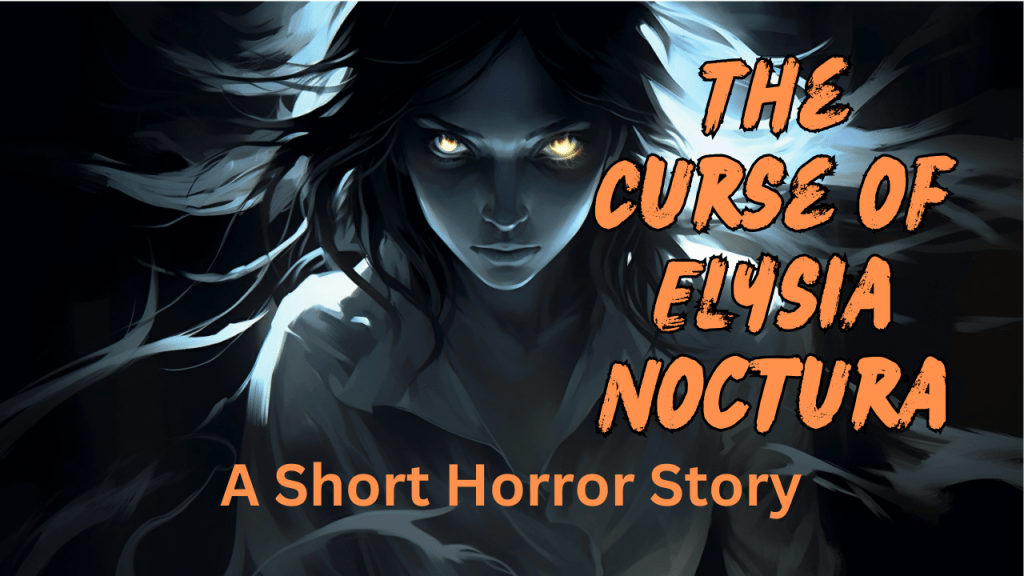
To set the sinister mood, I’m kicking things off with an original short story, “The Curse of Elysia Noctura.” Upcoming videos will offer more original short horror stories.

Wait for the dark, and let the stories begin.

Be a part of my Patreon: https://www.patreon.com/gswright
How to Write Compelling Urban Fantasy Fiction

Urban fantasy is an exciting genre that interweaves fantastical elements into contemporary, real-world settings. If you want to craft an engaging urban fantasy story, here are some key tips:

Choose your supernatural creatures wisely – Vampires, werewolves, witches, and faeries are common, but you can pick more unique monsters like Japanese yokai or reinvented legends.

Build a believable fictional world – Craft a setting that feels like a real contemporary city but flesh out how it functions with supernatural beings.

Create strong rules for your magic system – Urban fantasy magic should have limits, costs, and established rules that you follow consistently.

Strike an atmospheric tone – Aim for a gritty, dark vibe with moments of wonder and humor rather than an overly whimsical style.

Use quick, cinematic pacing – Urban fantasy favors brisk, vivid action that propels the plot forward scene by scene.

Give your protagonist relatable flaws – A charming but flawed hero who struggles with their supernatural identity can connect with readers.

Use supernatural elements sparingly – Drop in small details like a vampire nightclub rather than inundate every scene.

Build an eclectic supporting cast – Surround your protagonist with unexpected allies like a technomage hacker or fairy informant.

Research real-life urban legends – Mine historical city folklore as inspiration for magical plot points.

Keep an open-ended conclusion – Urban fantasy series tend to end books with loose threads to explore in sequels.

With vivid worldbuilding, high-stakes action, and a dash of gritty romance, you can craft a compelling saga that will thrill urban fantasy readers. What are your favorite elements of the genre? Share your best urban fantasy writing tips below!

Be a part of my Patreon: https://www.patreon.com/gswright

Immerse Yourself in Art to Awaken Your Literary Muse

Writers know that surrounding themselves with artistic inspiration is key to awakening their literary muse. When your creative wells run dry, tapping into the art world can provide a flood of new inspiration.

Visiting museums, galleries, public art installations, and other creative spaces exposes you to fresh perspectives, thought-provoking messages, and new ways of capturing the human experience. What inner feelings bubble up? What memories or ideas come rushing in? Channel that energy into your writing projects.

Look closely at an artist’s use of color, texture, shapes, lighting. What descriptive details can you borrow for your own word painting? How do the compositional techniques tell a visual story? Apply those lessons to strengthen your scene setting, character descriptions, and plotting.

Don’t just observe passively; interact with art installations that immerse you and spark your senses. Touch tactile sculptures, listen to multimedia exhibits, smell botanical gardens, taste edible art. Let these experiences pour into your creative reservoir.

Expand your art analysis skills through classes on painting, photography, pottery or other mediums. Learning the craft behind great art gives you new appreciation for details you can translate into writing. Sign up for museum events or art discussion groups to exchange perspectives.

Follow contemporary artists online and let their creative process motivate your own. Check out local galleries, street art, craft fairs and find new gems and voices. The more art you open your mind to, the more inspiration you’ll uncover.

Surrounding yourself with museums, galleries, eclectic architecture and public art installations saturates you with creativity. Look, listen, feel, interact. Then return to your writing overflowing with fresh descriptive details, thematic ideas, and creative confidence.

Tap Into Your Dreams to Inspire Your Writing

Our dreams are fertile ground for writing inspiration, providing a wellspring of settings, characters, emotions, symbols, and storylines. Keeping a dream journal and practicing lucid dreaming techniques can help writers harness the creative power of their subconscious.

Analyze your dreamscapes and extract compelling elements to weave into your writing. Turn a recurring dream figure into a complex character by giving them a name, backstory, motivations. Reimagine a dream landscape as an exotic fictional setting. Explore a dream theme more deeply through the lens of poetry or magical realism.

Vivid dreams often connect back to what already preoccupies our waking thoughts and emotions. A dream about getting lost in a forest may represent feeling directionless in a current project. Recurring nightmares of being stuck in traffic could indicate frustrations over something moving too slowly. Interpreting these symbols and metaphors can provide insights to inject more authenticity into your writing.

Some authors have credited entire books to inspiration derived from a single vivid dream, like Mary Shelley’s Frankenstein. Keep a notebook and pen next to your bed to capture your most memorable nocturnal adventures before they fade away. Upon waking, jot down any impressions, dialogues, sensations or symbols you can recall. These snippets often unfurl into full stories or poems when explored creatively.

With practice, you can even take charge of your dream narratives using lucid dreaming techniques. As you become aware that you’re dreaming, redirect the plot to a scene that supports your current writing goals. Adventure through wondrous dreamscapes and consciously plant inspiration that your subconscious will later uncork.

Our minds are at their most uninhibited and creative while dreaming. Learning to remember, record and interpret your dreams provides a wellspring of original inspiration. Now excuse me while I take my own advice and go dream up my next story!

Be a part of my Patreon: https://www.patreon.com/gswright

Use Music to Inspire Your Writing

Every writer knows the struggle of summoning the motivation and imagination needed to make words flow onto the page. Sometimes, our muse needs a little ignition to get the creative juices pumping. One powerful way to inspire focused, emotive writing is through music.

Turning on some tunes that awaken your imagination can work wonders when writer’s block strikes. Upbeat songs provide energy and drive to power through difficult projects. Melancholic melodies summon pensiveness and sensitivity needed for heartfelt scenes. Your own personalized playlists can become a vital part of your writing ritual.

In addition to setting the mood, attentive listening to music unlocks new depths of inspiration. Analyze song lyrics for ways to convey themes more poetically in your prose. Study how musicians build tension and interest with their instruments. Allow the emotions of a chorus to unlock hidden feelings in your characters.

You can even match musical genres to different writing styles. Classical music promotes fluid, elegant passages. Punk drums up gritty, visceral action scenes. Try writing a setting while listening to music native to that location, like Argentinian tango for a Buenos Aires backdrop.

While writing, music provides a productivity-boosting cadence to match the rhythm of your typing or scribbling. Let the melodies and beats flow through you into the language. But for editing sessions, opt for instrumental-only tunes — lyrics can be too distracting when you require focus.

Build playlists that speak to the tone and themes of your current projects. Are you writing a steamy romance? Queue up some sultry R&B. Drafting a spooky thriller? Assemble eerie, atmospheric movie soundtrack hits. Treat your writing like the sensorial experience it is by letting music infuse your creative process.

Don’t feel confined to traditional genres either. Follow your distinctive musical tastes.

What are some of your favorite tunes, artists, or playlists for writing? Share your top musical inspiration hacks below!

Elevate Your Descriptive Writing: Crafting Vivid Sensory Details

The key to immersive, transportive writing is top-notch descriptive skills that allow readers to fully visualize and experience each moment. Descriptive prose engages the senses to make settings, characters, and moments come alive. But taking your descriptive writing to the next level requires finesse and precision. Follow these tips to write rich, vivid sensory details.

Choose Strong Verbs and Adjectives

Reach for specific, impactful verbs and adjectives that convey clear sensations and qualities. “Sprinted” packs more punch than “went.” “Glistening” creates a distinct visual rather than “shiny.” Precision descriptors place readers in the scene. Avoid generic terms when more exact words exist.

Use Metaphors and Analogies

Crafting apt metaphors and smart comparisons elevates descriptions. For example: “The moonlight reflected on the water like a shining path of diamonds.” Metaphors make writing more vivid and memorable through unexpected associations.

Activate All Five Senses

The most immersive descriptions incorporate more than just the visual. Include details of smells, sounds, tastes, and textures. Allow readers to fully experience a scene through the protagonist’s senses. Sensory variety paints a multilayered mental picture.

Show, Don’t Just Tell

Allow well-chosen descriptors to demonstrate a quality rather than bluntly stating it. For example, show a character’s exhaustion through drooping eyes and sluggish gestures rather than outright saying “she was tired.” This makes the writing more dynamic.

Use Descriptors Judiciously

Adverb and adjective overload leeches power from writing. Be selective about which details to include. Crafting one or two vivid descriptors is better than cramming in generic adjectives. Precision beats quantity.

Polishing your descriptive writing skills takes time, but applying these tips will take your prose to the next level. Immerse readers by engaging their senses and abilities to visualize each moment. Vivid details invite them into the story’s world. What descriptive writing tactics do you find most effective? Share your thoughts in the comments!