Setting New Year Goals: Writing, Exercise, and More

Wow, this place is dusty. It looks like I stopped blogging just over 2 years ago. Crazy! It sort of looks like I haven’t been writing in an even longer time, but the truth is, I’ve been focusing my attention on other pen names.

Even this year, I’m not starting right off with my personal name (this one, GS Wright), I’m going to be writing under two of my other pen names for the 1st quarter of this year. I can talk about pen names later, if anyone is interested.

But wait! I hear you say, this blog is titled 2026 goals! And you’re right! It IS titled 2026 goals. So I guess let’s get to it!

Writing Goal

First off, I make word count goals every year, and I never really hit the 1 million words that I shoot for. I tend to fall around 200k words for the year, sometimes up to 400k. This year, I am keeping the 1 million words for the 2026 goal, but I’m taking a different approach.

To hit my word count, I’m changing things up and using dictation; basically talking my stories instead of typing them. The difference that this makes is significant. Typing, my output is around 1600 wph. I started dictating at the 1st part of the year, and my current average is 3700 wph, with my best hour’s output at 4500 wph. I’m hoping that once I get acclimated to the process, my average will creep closer to 5k words an hour.

There’s been so much going on for the start of this year, I’ve only been writing for an hour a day (yes, I’m still calling it writing… calling it talking sounds dumb), and my output still is so much higher. Side note: I only count words going to publishable projects, not emails or blog stuff.

I am not committing to blogging every day, because that’s never worked well for me. But I think I’ll try to update my writer’s life every Monday (or Tuesday) and Friday (or weekend). I actually considered doing a YT vlog, but yeah, no. But maybe Substack might be in my future. We’ll see.

Exercise

Yeah, because this one is a given for New Year’s goals. I need to be exercising more often.

TTRPG

I’ve been working on a Tabletop Role-playing Game forever. I’d like to have the alpha edition of the game as something playable within a month. This is something that I’ll be going public with as soon as I feel that it is launch-ready. This will mainly live on Substack. More on this later!

Music

I’ve been ignoring making music lately. I intend to work that back into my life. Not for any purpose other than that I enjoy it. When am I doing this? I dunno. I’ll start soon. Probably. It’s low on the goals list.

So, yeah! There’s all of that, plus a few other things outside the scope of this blog, but I might write about later. We’ll see where I am by this weekend!

Soul Sister Audiobook Release: A New Way to Experience the Journey

My novel, “Soul Sister”, is now taking on audiobook on Audible!

This novel is not just a tale; it’s an exploration of deep themes – love and hate, life and death, angels and demons, hope and despair. It’s about facing one’s demons, both literal and metaphorical, and the power of resilience.

For those who have read the book, this is an opportunity to revisit the story and experience it anew. For newcomers, prepare to embark on a journey that’s both haunting and beautiful, filled with moments that will stay with you long after you’ve finished listening.

The audiobook is perfect for those long commutes, quiet evenings, or whenever you wish to lose yourself in a different world. Grab your headphones, settle in, and let “Soul Sister” transport you to a place where the shadows hold secrets, and the fight for one’s soul is the greatest battle of all.

Happy listening!

Be a part of my Patreon: https://www.patreon.com/gswright

Annie Dreadful: A New YA Supernatural Horror Series on YouTube

Looking for your next suspenseful and chilling story about the world of monsters and the supernatural? Get ready to meet Annie Dreadful, the captivating new YA horror series that recently launched on YouTube.

Annie Dreadful

Annie Dreadful tells the story of Annie, an ordinary teenager whose world turns upside down when her brother is murdered by a horrifying monster. Thrust into the dark shadows of the supernatural, Annie discovers she has her own abilities and joins the dangerous quest to uncover who – or what – killed her brother.

Set in a small Midwestern town, each episode brings iconic urban legends and monsters to life – from vengeful ghosts to hook-handed killers and more. Annie must navigate disturbing secrets, piece together mystifying clues, and learn who she can trust on her gripping journey through the world of nightmares made real.

With strong elements of mystery, fantasy, and romance woven throughout, Annie Dreadful promises chills and suspense in equal measure. Horror fans will appreciate the series’ creepy atmosphere and stakes that are heightened by relatable characters and compelling storytelling.

The first episode “Originsis available now on YouTube, introducing viewers to Annie’s ordinary life as it takes a terrifying turn. New episodes will premiere every Friday, so remember to subscribe to the channel to follow Annie as she descends deeper into darkness.

With plans for a multi-season story arc filled with creepy twists and turns, Annie Dreadful brings an intoxicating new voice to YA horror perfect for late-night bingeing. Meet the monsters that only come out at night – if you dare.

Annie Dreadful is written by Annie herself, co-produced by me (GS Wright).

Click here for the Trailer

Be a part of my Patreon: https://www.patreon.com/gswright

Mind of a Monster: Crafting Villains That Terrify

Horror villains like Pennywise and Hannibal Lecter live on in our nightmares. These antagonists stalk the pages, creeping into our imaginations with their sinister presence.

So how do you write a villain who haunts your readers? Developing an effective creep starts with psychology.

Get Inside Their Head

Give villains a distinct perspective shaped by their background. Maybe they have a warped moral code or sinister worldview. Their motivation should make sense, even if it’s deranged.

Layer in formative experiences like childhood trauma. Use flashbacks and reveal telling details slowly to add intrigue.

Make Them Unpredictable

Uncertainty builds suspense. Keep readers guessing about the villain’s next move through erratic behaviors and shifting motivations.

Balance glimpses of humanity with explosive outbursts. Is that a moment of kindness or the calm before another violent storm?

Choose an Archetype

Many horror villain archetypes exist to explore like torturers, vengeful spirits, and psychopaths. Put your unique spin on an established trope.

Monsters represent the physical manifestation of human fears. Demons and creepy children also strike a chord.

Create a Foil for the Hero

A strong protagonist needs a worthy opponent. Their clash should seem uncertain. Build tension between them. Save direct conflicts for key moments.

Over time, their relationship may shift from hatred to a disturbing bond. The line between hero and villain blurs.

Villains Don’t Think They’re Evil

Even scary antagonists have convictions that feel justified to them. Give them an internal logic, even if flawed. Explain the “why” behind their actions.

With a complex psyche and unstable nature, you can craft villains who feel like real people – albeit terrifying ones. Use these techniques to make your readers sleep with one eye open!

Be a part of my Patreon: https://www.patreon.com/gswright

The Secret to Writing Horror Scenes That Give Readers Chills

Any good horror story knows how to get under readers’ skin. And one of the most important elements for unsettling your audience is the setting.

The right atmosphere can ratchet up dread before anything frightening even happens. Familiar settings suddenly become sinister. Everyday objects cast shadows that put us on edge. The environment seems watchful and alive.

So how can you craft effective scene-setting that elicits delicious chills down your readers’ spines? Here are some key tips:

Choose Descriptive Words Carefully

Be selective with descriptive language. The words you choose set the mood. Consider: murky, bleak, oppressive, unnerving. Use concise but vivid details. Long paragraphs slow the pacing, so keep sentences short and punchy.

Tap Into All Five Senses

Describe what the protagonist sees, hears, smells, feels, and even tastes. Make settings tangible through sensory details. Maybe she hears a distant howl or sees a figure dart behind a tree. Engage readers’ imaginations.

Use Weather and Nature

Fog, thunderstorms, and moonlight are classic horror weather. Nature can enhance the creepy factor through twisted trees, dead leaves, and cawing crows. Beware of clichés though.

Establish an Unsettling Tone

Word choice directly impacts tone. Pick unsettling descriptors like sinister, lurking, haunted. Avoid adverbs like “spookily” which distance readers. Show, don’t tell.

Make the Ordinary Ominous

Horror often corrupts ordinary settings like schools, small towns, and suburbs. Allow familiarity to breed unease. An empty playground is scarier than a graveyard because it subverts expectations.

Vary the Pacing

Faster pacing evokes panic while a slower pace builds tension. Draw out small actions like your character walking down a dark hallway. But use sharp sentences to punctuate intensity.

Set the Scene from Page One

Immerse readers quickly. Stephen King’s The Shining opens with: “Jack Torrance thought: Officious little prick.” The tone and conflict are immediately clear.

With deliberate descriptions and smart pacing, you can craft effective settings to unsettle your readers. The environment should enhance, not distract. Use these tips to make your commonplace locations distinctly creepy.

Be a part of my Patreon: https://www.patreon.com/gswright

How to Craft a Contemporary Fairy Tale

Fairy tales provide timeless life lessons hidden in fantasy. Putting a modern spin on this classic genre while preserving its magic takes thoughtful planning. Follow these tips to write an enchanting contemporary fairy tale:

Choose a traditional tale to reinterpret – Select a classic fairy tale that resonates with you and brainstorm ways to translate it to a modern setting. How can you reimagine elements like the villain, quest, and morals?

Create relatable protagonists – Rather than princes and princesses, create everyday modern heroes and heroines readers can identify with. Give them realistic personalities, struggles, and flaws amidst the wonder.

Build a magical modern setting – Blend fantastical elements into real urban landscapes like enchanted city parks, supernatural nightclubs or bewitched high schools. Tap into local myths and legends.

Reframe the quest – Give the protagonist relevant modern-day obstacles to overcome like defeating standardized test scores rigged by an evil corporation or rescuing a date gone awry thanks to a mischievous matchmaking app.

Root morals in current issues – Let your fairy tale speak to a contemporary social issue like combatting school bullying, protecting the environment, or overcoming addiction through courage and compassion.

Weave in subtle magic – Sprinkle in small moments of wonder like Chance Meetings with helpful strangers, lucky coincidences, and clever magic disguises rather than over-the-top enchantments.

Build to an epic climax – Allow your hero to finally harness their inner courage, strength, and wisdom to defeat villains in a gripping third act challenge.

End with hope – While staying true to reality, close your tale by restoring justice and leaving readers uplifted.

With imaginative worldbuilding, brave but flawed characters, and meaningful modern-day themes, you can craft a fairy tale fit for the 21st century.

Be a part of my Patreon: https://www.patreon.com/gswright

Crafting Characters Through Detailed Profiles

Before beginning your novel draft, dedicate time to profiling each main character in-depth. Comprehensive preparatory work allows fictional people to become fully realized in your mind prior to writing, leading to more compelling character work on the page.

Start by delving into their background. Consider elements like their family history, upbringing environment, education, social status, major life events, and what shaped them. Pinpoint key memories that still affect them.

Define their motivation and main desires. Are they driven by love, success, knowledge, justice? Give them pressing external goals like a quest or mystery to solve. Outline internal goals too, like overcoming anger issues or grief.

Determine personality quirks and habits that make them unique. Do they tap their fingers when nervous? Doodle when thinking? Use particular phrases or gestures? Identifying idiosyncrasies makes characters pop.

Consider flaws and emotional wounds that make them vulnerable. Impatience, anger issues, chronic lateness, addiction – flaws should tie meaningfully to emotions and backstory.

Brainstorm how side characters influence them. Do they have supportive best friends or jealous rivals? How have family members or mentors impacted them? Relationships reveal different dimensions.

By exploring such facets before starting your draft, characters take on meaningful substance and complexity. Their motives, desires, behaviors, and bonds all stem organically from their fully conceived profiles. Vivid people, not just placeholders, will walk through your story world. The time invested yields dividends through authentic, compelling characters that feel real to you, and therefore to readers.

Be a part of my Patreon: https://www.patreon.com/gswright

Planning Your Novel

Before diving into writing a draft, investing significant time into planning and structuring your novel is time well spent. Comprehensive pre-writing preparation provides a solid foundation that can prevent plot holes, inconsistent characters, and sagging middles down the line.

Start by creating in-depth profiles for each main character. Details like their background, motivations, personality quirks, flaws, and emotional wounds allow characters to come to life in your mind before hitting the page. Brainstorm key relationships between characters as well.

Next, flesh out the parameters of your settings. Are they real or fictional places? What sights, smells, and sounds exist there? Define any rules, histories, cultures, and layouts central to each location.

With characters and settings established, map out the complete narrative arc chapter-by-chapter. Outline the major plot points, conflicts, and resolutions that drive your story forward. This provides a guiding structure.

Finally, summarize what happens in each chapter. These 1-2 paragraph breakdowns capture the essence without getting bogged down in details.

Following this planning process, you can proceed to write your first draft with confidence, knowing key elements have already been developed and sequenced. Your pre-writing preparations pay dividends in the resulting depth, consistency, and cohesion of your story. It’s time well invested.

The writing process depends on inspiration, but inspiration depends on preparation. Approaching a draft with a detailed roadmap in hand helps you travel farther and faster. The work you put in before writing your first sentence will strengthen every sentence that follows.

How to Write a Novel in a Week

Want to challenge yourself to write an entire novel within just one week? It will take intense focus and dedication, but following these tips can help you draft a complete manuscript at a rapid pace:

Plan Extensively First

Spend a few days thoroughly plotting and outlining your entire novel so you have a detailed roadmap before beginning writing. Flesh out characters, settings, chapter summaries, etc.

Set a Rigorous Writing Schedule

To complete a 50,000+ word novel in a week, you’ll need to write at least 7,000 words per day. Block off at least 5-6 hours each day solely for writing.

Eliminate All Distractions

Turn off your phone, internet, TV, etc. and create a distraction-free environment so you can maximize your writing time.

Keep Scenes Short and Descriptions Sparse

Write short, punchy scenes that propel the plot forward quickly. Trim any unnecessary descriptive passages – keep the prose simple and direct.

Don’t Stop to Edit

Resist the urge to go back and edit as you write. Just power through getting words down on the page. Leave editing for later.

Use Writing Sprints

Try intense 25-30 minute writing sprints to hit your word count goals each day. Sprints help boost productivity.

Keep Momentum Going

Don’t lose steam! Maintain forward momentum even during late nights. Snacks, coffee, and upbeat music can help keep you alert.

Get Supportive Accountability
Share your challenge with writing buddies who can check in on your progress and cheer you to the finish line.

Reward Yourself

Schedule relaxing, fun rewards for when you achieve certain milestones like finishing a chapter. Small incentives keep motivation high.

Be a part of my Patreon: https://www.patreon.com/gswright

Welcome to the Eerie World of Wait Til Dark

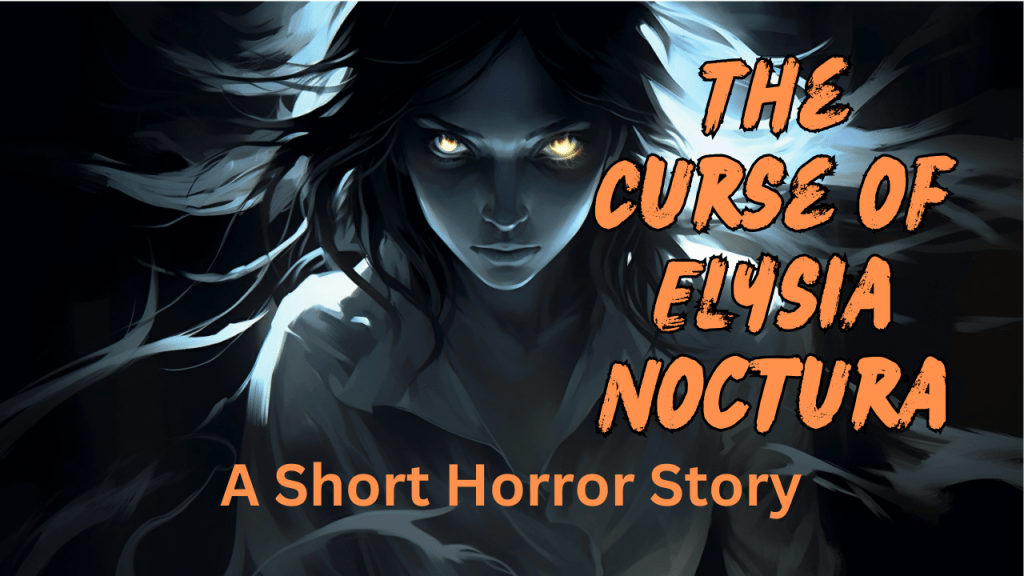
I’m thrilled to announce the launch of my new YouTube channel – Wait Til Dark! Dedicated to chilling tales, creepy mysteries, and things that go bump in the night, this channel will deliver bite-sized doses of atmospheric horror entertainment.

To set the sinister mood, I’m kicking things off with an original short story, “The Curse of Elysia Noctura.” Upcoming videos will offer more original short horror stories.

Wait for the dark, and let the stories begin.

Be a part of my Patreon: https://www.patreon.com/gswright